First Page Friday #3: Paranormal Mystery

First Page Friday

First Page Friday is a new section on The Writeditor’s blog. Every Friday I will provide an in-depth edit and critique of the first 500 words of an unpublished novel.

I am still working on the best way to present the edit and critique so your feedback is welcome. Please let me know which sections you like, which you hate, and if you have any ideas for ways to make this segment more useful.

Based on feedback from last week, I’ve decided to change up how the critique is done for this week.

First Page Friday Edit & Critique

 Paranormal Mystery First 500 – By Robin St. Clare

I’m crouched in a small closet, trying not to breathe, when the furniture in the adjoining room starts moving. Through the keyhole I watch as a stately upholstered armchair inches across the floor, but then with a sudden lurch it picks up speed. The chair’s carven legs scrape over the hardwood floor, leaving the the arcane symbols chalked onto the floor smudged and disrupted. I slowly draw back from the door, bringing up my video camera to the keyhole. I can only imagine that video proof is going to be necessary for this. As I start recording, an unearthly moan rises within the room, sounding as if it’s emanating from the walls themselves.

Continuing to watch the tableau on the camera viewscreen, I wince as the most elaborate symbol, drawn to ward off evil spirits, is distorted into unrecognizability. Fiona spent forever making sure it was perfect. She’s going to be so upset.

Not least of all because the entity responsible for the moving furniture is a person and not a supernatural being.

I briefly consider bursting from the closet to confront Mrs. Pevington, who is currently leaning heavily on the armchair trying to catch a breath, but I don’t want to give the poor old lady a heart attack. Well, old lady. She’s not exactly “poor” in any sense of the word. Evelyn Pevington lives next door to the house we’re in now, but in this upscale neighborhood that entails more than a short walk over. I have to be impressed with her dedication to her cause. Although it is kind of a terrible cause.

Eventually Mrs. Pevington evaluates the room and, evidently satisfied with her handiwork, shuffles off, back to her own house I assume. I wait an extra minute or two, then gratefully unbend, muscles protesting all the way. Next time I’m bringing a folding chair. Or better yet, just leaving the video camera and waiting somewhere comfortable.

I open the closet door and step into the room, still documenting the scene with the video camera.

“Well,” I say, narrating for future audiences, “I think we can rule out ghostly activity. So far as the redecorating goes, anyway.” I sweep the camera around the room a few more times, making sure not to miss anything, while heading towards the source of the eerie wails still echoing around the room. I follow the sound to the south wall. An elegant bookcase stands against the wall, housing a few classics and a Ming vase that’s probably insured for more than I’m worth. Half hidden behind the bookcase, I spy an air vent set into the wall just above the baseboard. “I think I’ve found the source of the mysterious wailing,” I say as I bend down. Setting the camera on the floor, still facing the vent, I examine the metal cover. The screws have been loosened recently and I’m able to lift it off relatively easily. Inside, sitting in the vent, is… a cassette player. Seriously? These things still exist?

Reader Participation – What Do You Think?

Before reading my take on this novel opening, please take a moment to record your thoughts in the poll below.


Your thoughtful critiques and suggestions for the writer are also welcome in the comments section. Explaining your vote gives Robin even more insight into where she’s hitting the mark and where she can improve.

The Writeditor’s Feedback

 Critique Key

Original Text is in italics.

Red is text I recommend removing.

Green is text I recommend adding.

Blue are my comments.

Paranormal Mystery First 500 – By Robin St. Clare

I’m crouched in a small closet, trying not to breathe, when the furniture in the adjoining room starts moving. << I recommend avoiding opening a chapter, especially a first chapter, with a sentence containing “when,” “as,” “while,” etc. because it takes some of the immediacy out of the action. Through the keyhole I watch as a stately upholstered armchair inches across the floor, << You already explained that the furniture started moving (we don’t need that explained twice), but now you’re showing it so I’d keep this sentence and cut the first one. but then with a sudden lurch it picks up speed. The chair’s carven legs scrape over the hardwood floor, leaving the the arcane symbols chalked onto the floor smudged and disrupted << This is sort of a backwards way of articulating this. Keep it simple. For example: The chair’s carven legs smudge the arcane symbols chalked onto the hardwood floor. . I slowly draw back from the door, bringing up my video camera to the keyhole. I can only imagine that video proof is going to be necessary for this << “This” is too vague. . As I start recording, an unearthly moan rises within the room, sounding as if it’s emanating from the walls themselves.

Continuing to watch the tableau on the camera viewscreen , I wince as the most elaborate symbol, drawn to ward off evil spirits, is distorted into unrecognizability << This isn’t really a word so I suggest rephrasing.. Fiona spent forever making sure it was perfect. She’s going to be so upset. << At this point I’m not sure how much fear I’m supposed to be feeling. Is this a life-threatening situation or just a game? Is the narrator scared? It’s not clear. 

Not least of all because the entity responsible for the moving furniture is a person and not a supernatural being.

I briefly consider bursting from the closet to confront Mrs. Pevington, who is currently leaning heavily on the armchair trying to catch a breath, << I feel a bit duped finding out that nothing supernatural is going on. but I don’t want to give the poor old lady a heart attack. Well, old lady. She’s not exactly “poor” in any sense of the word. Evelyn Pevington lives next door to the house we’re in now << “We” who? Also, it’s not clear if she is in her own house or Mrs. Pevinton’s. , but in this upscale neighborhood that entails more than a short walk over << The wording of the second half of this sentence confused me. I had to read it three times. I’d find a simpler way of explaining this. . I have to be impressed with her dedication to her cause. Although it is kind of a terrible cause. << I’m not sure what you’re referring to when you say “cause.” 

Eventually Mrs. Pevington evaluates the room and, evidently satisfied with her handiwork, shuffles off, back to her own house I assume. << I’m pretty confused about what has transpired. I wait an extra minute or two, then gratefully unbend, muscles protesting all the way. Next time I’m bringing a folding chair. Or better yet, just leaving the video camera and waiting somewhere comfortable.

I open the closet door and step into the room, still documenting the scene with the video camera.

“Well,” I say, narrating for future audiences, “I think we can rule out ghostly activity. So far as the redecorating goes, anyway.” I sweep the camera around the room a few more times, making sure not to miss anything, while heading towards the source of the eerie wails still echoing around the room << I assumed this wailing stopped a long time ago. Mentioning it another time prior to here would probably be a good idea. . I follow the sound to the south wall. An elegant bookcase stands against the wall, housing a few classics and a Ming vase that’s probably insured for more than I’m worth. Half hidden behind the bookcase, I spy an air vent set into the wall just above the baseboard. “I think I’ve found the source of the mysterious wailing,” I say as I bend down. Setting the camera on the floor, still facing the vent, I examine the metal cover. The screws have been loosened recently << How does she know the screws were loosened recently vs. in the distant past? and I’m able to lift it off relatively easily. Inside, sitting in the vent, is… a cassette player. Seriously? These things still exist?  << What I am ascertaining from this, though I could be wrong, is that Mrs. Pevington is moving things around to create the illusion of ghosts? If this is the case, I’m confused as to why she would play moaning sounds. Wouldn’t she then get caught because the house’s occupants would hear her? 

My Overall Thoughts

I’m generally a fan of present tense, but it always makes me cringe a little because I anticipate a lot of mistakes, however I didn’t catch a single one in this excerpt so bravo!

You present some intriguing questions about what Mrs. Pevington is doing, but I do wish it were a bit clearer who and where the main character is.

Key Places to Improve:

  • For the same reason you don’t start a chapter with a dream, it’s generally not a good idea to dupe the reader into thinking something interesting and exciting is happening only to reveal that that isn’t the case. This could give agents/editors the impression that you don’t feel your opening is good enough to stand on its own without a bit of trickery.
  • Opening with the narrator “crouched in a small closet” made my brain immediately think that the character was very young. The spying through the keyhole gave me a young vibe as well. Since this novel is intended for adult readers, think about ways to make it clear your narrator is an adult as early as possible.
  • I think you could pull a little more emotion out of your narrator. Was she surprised, disgusted, angry, amused, etc. to find out that Mrs. Pevington was moving the furniture? Show this in the narration.
  • I couldn’t figure out whether the narrator was in her own house, Mrs. Pevinton’s house, or someone else’s house. Clarifying that would help strengthen the opening.

The Writeditor’s Grade: 3

The opening intrigued me, which is great. That’s exactly what you want to do with a first chapter. But finding out nothing supernatural was going on and that the narrator knew this, felt a little too much like a trick. Readers: what are your thoughts? Do you agree or disagree?

The writing itself could be a bit clearer in the places I marked, and a more significant emotional connection to the character would help draw in readers.

I don’t think you’re far off with this. The primary issues are those things that writers can’t see on their own, the things that end up misunderstood or misinterpreted by readers.

My Grading Scale:

1 – Wouldn’t have finished the first page if I wasn’t editing. Back to the drawing board.

2 – Read the whole thing, but couldn’t look past problems with the writing to enjoy the story.

3 – Read the whole thing, was entertained at times, but I probably wouldn’t read on.

4 – Read the whole thing and liked it. Wasn’t really “wowed” but I would read on.

5 – Read the whole thing and loved it. I’m excited to read the rest of the book!

A note on the grading scale: The rating of the first chapter does not indicate the rating of the novel as a whole nor does it indicate the writer’s overall ability.

Connect with Robin

You can connect with Robin (the author of the first page)  on Twitter: @clarewrites

Submit to First Page Friday

If you’d like to submit your novel for First Page Friday, please send the following to ellenbrock@keytopservices.com:

  • The name you want me to use in the blog post (real name, alias, or anonymous).
  • The genre of your novel.
  • The first 500 words (give or take, don’t stop in the middle of a sentence) pasted into the body of the email.
  • Any links (Twitter, Blog, Goodreads, etc.) that you’d like included in the post (not required).

Please do not submit if you are not okay with your first page being posted, critiqued, and edited on my website.

About the Editor

Ellen Brock (AKA The Writeditor) is a freelance novel editor who works with self-publishing and traditionally publishing authors as well as e-publishers and small presses. She owns the editing company Keytop Services and the writing and editing blog The Writeditor. When not editing, she enjoys reading, writing, and geocaching. Check out her freelance novel editing services.

087

Help First Page Friday be a Success!  Please use the buttons below to share this post. The more views, the more submissions, the more First Page Fridays!

Tips & Pitfalls When Including the Villain’s Point of View

I’ve edited a lot of novels lately that rely heavily on the villain’s point of view. Occasionally this can be an interesting way to add tension and suspense. It can also assist in conveying a complicated plot that would be confusing from only the good guy’s perspective. But often the villain’s point of view detracts from the story.

7789731538_2e4f486b91_c

Outshining the Hero

We all love villains. We’re fascinated by monsters, serial killers, and double agents. But we’re not quite as inherently fascinated with the good guy. That’s because we all know what makes good guys tick.

Readers love puzzling out what makes some people do really bad things. So if you’re including the villain’s point of view, you’re working with readers’ natural fascination with the bad guy. If you don’t successfully present an even more fascinating good guy, the book won’t sit with readers the way you want it to. The villain could push the hero into the sidelines.

Zapping Suspense

If you clue the reader in on the villain’s plans, it’s possible to zap the suspense out of the novel. Rather than wondering what’s going on along with the good guy, the reader is simply waiting for the good guy to catch up with what they already know. This not only cuts suspense, but it can also make the good guy look unintelligent. Since the reader knows the answer, they think the hero should too.

If the novel is a mystery, including the villain’s point of view can cut out all of the mystery elements. If we already know who the double agent is, why care about the good guy’s investigation?

Tips for Including the Villain’s Point of View

If the villain’s point of view is required to tell the story, here are some tips on how to do it right.

  • Don’t linger on the villain. Give the hero substantially more “screen time.” Only use the villain’s point of view where it increases suspense.
  • Let the hero reveal important information. If the hero is the one who keys the reader in on the big revelations, they’ll find the hero far more fascinating and important than the villain.
  • Keep it vague. You can show the bad guy torturing the hero’s partner, but don’t tell us that it’s revenge for his mother’s death or that it’s in the abandoned childhood home of our hero. Snippets of intense situations increases our suspense, but answers zap it.
  • Introduce other mysteries. If keeping it vague doesn’t work with the story, let the bad guy reveal what he’s doing and why, but introduce a different sort of mystery for the good guy to reveal. This could be a dark personal secret or another layer to the villain’s scheme.
  • Fully characterize the hero. Don’t give us a good guy that’s just a hollow shell. He needs to have a personality with both good and bad qualities.
  • Give the hero personal stakes. If the hero has nothing at stake other than solving the case/crime or stopping the bad guy, readers won’t care all that much if he succeeds. The key is to give the hero something personal at stake, something readers don’t want him to lose.


Did you like this article? Please share it!

Need a freelance novel editor? Check out my editing services.

First Page Friday #2: Historical Fiction

First Page Friday

First Page Friday is a new section on The Writeditor’s blog. Every Friday I will provide an in-depth edit and critique of the first 500 words of an unpublished novel.

I am still working on the best way to present the edit and critique so your feedback is welcome. Please let me know which sections you like, which you hate, and if you have any ideas for ways to make this segment more useful.

First Page Friday Edit & Critique

Critique Key

Original Text is in italics.

Red is text I recommend removing.

Green is text I recommend adding.

Blue are my comments.

Historical Fiction First 500 – By Maria Reeves

Maria informed me that this is an early draft, so I’m going to try to focus more on the big picture.

Strait of Juan De Fuca
July 17, 1897

It was amazing, Beriah thought, that the moon could be so yellow. She looked like a celestial gold nugget, << At first I thought the “she” was Beriah. hanging heavy and low in the night sky. << Starting with weather, the night sky, the moon, etc. is considered cliche and is likely to turn off agents and editors. It didn’t matter that she was waning; her beauty spoke for itself. Every night she issued a gentle reminder to humanity to strive beyond our limitations, to reach outside our capabilities, to explore the unknown. She belonged to everyone and no one, but tonight, Beriah knew she existed only for him << This threw me off because I expected Beriah to be a woman. It sounds like a feminine name to me. , and together they were going to issue a challenge to humanity that would be remembered for all time. << This paragraph is pretty generic. It doesn’t tell me anything about your character or the story other than that it’s nighttime.

Of course, much of that was dependent on human error, specifically Beriah’s human error, but he tried not to think about << Again, this isn’t telling me anything. The success of almost anything and everything is dependent on a lack of human error. that as he stood on the deck of the Sea Lion, a tiny tugboat, that was charging up the Straight of Juan De Fuca like a lonely ghost ship in the middle of the night. Beriah stood tall despite his nerves and checked his gold pocket watch for what must have been the thousandth time since he’d boarded the Sea Lion earlier that evening. <<Readers can infer that it’s been over the course of this evening. This slows down the paragraph. The watch had been a gift from his father, also a Beriah Brown, as well as a former Post Intelligencer editor and, one time Mayor of Seattle. << Does this matter for some reason? It seems a bit irrelevant.

This opening section has no apparent conflict and not enough information to grab my attention. If I picked this up at the book store, I wouldn’t keep reading.

2:14 AM.

Beriah felt the Captain’s eyes on him and tucked his watch back into his breast pocket. He’d made promises, perhaps too big for a lowly reporter to fulfill if he was wrong about tonight. << You’re still being vague. What promises? What is he trying to accomplish? What’s going on? He cleared his throat and clutched a sealskin bag firmly, in spite of the strap that was cinched tightly across his shoulder. He couldn’t think about what would happen to him if he were wrong. << He might not want to think about it, but as the reader, I want to know. What will happen if he’s wrong? And wrong about what? He felt himself reach for his watch again. Surely the moon, his cohort, was deceiving him.

There is still no conflict, only hints at one. My attention still hasn’t been grabbed. 

2:14 AM.

He heard the steamship before he could see her. The Portland was storming towards them up the strait. She sounded old and tired, laboring as if her contents were trying to pull her under. If Beriah was right, they were. She materialized from the shadows. << It’s repetitive to say that she materialized after you said that she was storming towards them, which implies that Beriah could already see the ship. So you’ve mentioned Beriah seeing the ship a total of three times in four sentences. This creates a feeling in the reader of jumping forward and backward in time: he’s seen the ship, then he sees it coming up the straight, then it materializes (implying he hasn’t seen it yet). This jars the reader out of the story. There was something beautiful about her stubborn nature. She was defiant and unrelenting, meticulously trying to outrun a fate that would drag her to the depths of oblivion if she showed any sign of weakness. << What “fate” are you referring to? Share more with the reader. Beriah counted on the moon, hoping she would reveal the Sea Lion to the Portland before it was too late, before they would collide, sending the Sea Lion to her doom while the Portland charged ahead. << This should be an exciting concept, but it’s not hitting my emotions. Mostly because I know nothing about Beriah or the ship. I have no reason to care what happens next.

Beriah nodded at the Captain and felt their speed increase. This was his moment to make something of himself separate from his father and family name. << Why does he want to make something of himself? I don’t have enough information to understand why this is important. He felt like he could taste his heart as they charged the steamship head-on, in a desperate play to intercept the Portland before she made port in Seattle. << I thought the ships were going to collide? Now they’re intercepting her on purpose? So he wants the ships to collide? It’s not clear. They would succeed, or they would die. Either way, he took comfort that the moon would bear witness. << I don’t understand Beriah’s preoccupation with the moon.

The Writeditor’s Feedback

My Overall Thoughts

The writing style is pleasant in that the structure is simple, flows nicely, and is easy to understand. But I don’t know what’s going on. Not because I don’t understand what’s on the page, but because there isn’t enough there. I know that Beriah is on a ship, has a preoccupation with the moon, and wants to intercept another ship for some reason, but I don’t really know anything about the main character or his motivations.

My emotions are not engaged.

Key Places to Improve

  • There’s a difference between raising intriguing questions and being so vague that there’s nothing for the reader to latch onto. Unfortunately, this leans strongly towards the latter for me. The vague statements feel like you’re withholding information to try to create tension. Tell the reader what’s going on or they’re not going to stick around.
  • The timestamps seemed odd to me. Is there a very good reason for their inclusion? If not, I would get rid of them. They cut up what little action there is, and I think they’re encouraging you to be vague and repetitive by including short sections that aren’t really needed.
  • Watch out for filtering (heard, felt, saw, etc.). This is probably a pervasive problem in your writing, but it’s one that can be easily fixed.
  • Give us more of your character. Not back story necessarily, but something that shows the reader who he is. In the first few pages (as soon as possible), you want to establish: what the main character wants, why the reader should be sympathetic, and how the main character is being proactive. None of these things are clear other than that the main character doesn’t want the ships to collide.

The Writeditor’s Grade: 1

I’m not sure what this novel is about so I’m not sure whether you’re starting in the right place. If this is the best place to start, make it exciting, create tension, make us feel the character’s worry. Avoid long descriptions of the sky and moon. Avoid vague statements and thoughts. Be specific. Make it feel real.

I am giving this a one, not because the writing is terrible, but because this doesn’t do what a first page needs to do: suck the reader into the story.

My Grading Scale:

1 – Wouldn’t have finished the first page if I wasn’t editing. Back to the drawing board.

2 – Read the whole thing, but couldn’t look past problems with the writing to enjoy the story.

3 – Read the whole thing, was entertained at times, but I probably wouldn’t read on.

4 – Read the whole thing and liked it. Wasn’t really “wowed” but I would read on.

5 – Read the whole thing and loved it. I’m excited to read the rest of the book!

A note on the grading scale: The rating of the first chapter does not indicate the rating of the novel as a whole nor does it indicate the writer’s overall ability.

Reader Participation

What Do You Think?

Grades are subjective. The more people grading her work, the better grasp the writer will have on how much she needs to improve. Please help Maria by providing your own grade.

Your thoughtful critiques and suggestions for the writer are welcome in the comments section below. Explaining your grade gives Maria even more insight.

Connect with Maria

You can connect with Maria (the author of the first page) on her blog: waterbloggedtriathlete.com

And on Twitter: @ultraswimfast

Submit to First Page Friday

If you’d like to submit your novel for First Page Friday, please send the following to ellenbrock@keytopservices.com:

  • The name you want me to use in the blog post (real name, alias, or anonymous).
  • The genre of your novel.
  • The first 500 words (give or take, don’t stop in the middle of a sentence) pasted into the body of the email.
  • Any links (Twitter, Blog, Goodreads, etc.) that you’d like included in the post (not required).

Please do not submit if you are not okay with your first page being posted, critiqued, and edited on my website.

About the Editor

Ellen Brock (AKA The Writeditor) is a freelance novel editor who works with self-publishing and traditionally publishing authors as well as e-publishers and small presses. She owns the editing company Keytop Services and the writing and editing blog The Writeditor. When not editing, she enjoys reading, writing, and geocaching. Check out her editing services and testimonials.

087

Help First Page Friday be a Success!  Please use the buttons below to share this post. The more views, the more submissions, the more First Page Fridays!

Bestselling Middle Grade Fiction Part 1: Genres & Topics

This is part one in my middle grade fiction series. Future installments will include information and statistics on word count, point of view, tense, and debut vs. established authors.

To receive notifications when the rest of the series is posted (as well as my other blog posts), submit your email address in the side bar to the left.

Methodology

I compiled the statistics below based on the New York Times Bestsellers List for middle grade novels. I included all novels that made the top ten list between April and September 2013 (a six month period).

I did not include media tie-ins (Lego, Disney, Star Wars, etc.) as these books have their own momentum that may have nothing to do with the subject matter, the quality of the book, etc.

I did not include nonfiction.

I did not include books that were sequels because they are not standing alone on their own merit.

I did include books that are the first in a series even if a subsequent book had already been published before the first book made it on the bestsellers list.

Purpose of Research

While there are a lot of factors that go into a book’s success, I wanted to break down the elements of the most popular middle grade books in the current market.

My primary motivation in doing this is to answer some of the most frequently asked questions by aspiring middle grade authors, such as appropriate topics, genres, word counts, point of view, tense, etc.

Bestselling Middle Grade Genres & Topics

Realistic vs. Fantastical

Rather than split hairs about individual genres, I decided to breakdown the bestselling books based on whether or not they are realistic or fantastical.

I am defining realistic as anything that could possibly happen in real life and fantastical as anything that cannot happen in real life. Talking animals are included under fantastical.

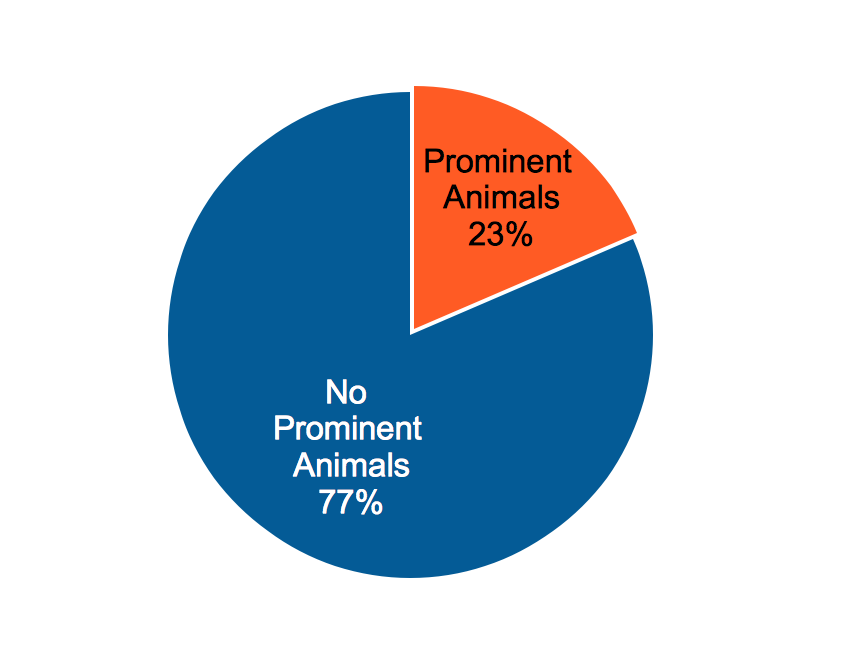
Of the 22 books on the list, 10 were realistic and 12 were fantastical.

Screen Shot 2013-09-26 at 2.54.04 PM

Realistic Fiction Topics

In realistic fiction, the most popular topic/genre was Historical. Keep in mind that teachers are one of the biggest purchases of middle grade books and are more likely to buy the educational historical novels over a humor or mystery novel.

Humor and Mystery were the primary topics/themes of two books each. There were also two books with a disabled main character. I included “disabled main character” as a topic when it was the driving force behind the novel rather than incidental.

Only one sports book made the list. It may be important to note that this book was written by a professional soccer player, which may or may not have driven sales.

Screen Shot 2013-09-30 at 9.59.48 AM

Fantastical Fiction Topics

In fantastical fiction, the most popular genre/topic was books set in a fantasy world. I defined “Fantasy World” as a book that takes place entirely in a fantasy world and in which the real world does not exist at all. There were five of these on the bestsellers list, making it by far the most popular form of fantastical fiction.

“Portal Fantasy” is a novel that starts in the real world and features a child who is transported into a fantasy world. There were two of these.

I defined “personified animals” as animals that are the main character or who narrate the story. Aside from the personified animals, there were no fantastical elements in these story. The setting and plot would have been realistic had the main character been a human. There were two of these.

There was only one Dystopian novel and it featured dogs as the main characters (this was not included under “personified animals” due to other fantasy elements). Since the only bestselling Dystopian featured dogs, it is not clear whether Dystopian with humans would be successful in middle grade.

One book featured fantasy elements in the real world, meaning that the characters were not transported to another world but simply found magic here on earth.

One book was Paranormal, but the author was extremely well established before its publication, making it difficult to say whether paranormal would be a successful genre for a debut author.

Screen Shot 2013-09-30 at 10.16.12 AM

Animals

Animals made quite a few appearances in middle grade books. Three books featured animals as a significant element of the plot, and two featured animals as the main characters, for a total of five books featuring animals in a significant role.

Screen Shot 2013-09-30 at 10.35.04 AM

Absent Genres

In addition to exploring the popular genres, it’s important to note the genres that made no appearance at all. There was not a single Science Fiction novel on the list. There also wasn’t any Horror, though some of the fantasy books had some minor horror elements.

In realistic fiction, there weren’t any stories about normal kids facing major life issues (bullying, divorce, etc.). There were two humor books that dealt with popularity, but the only realistic fiction with a serious tone were the two books about disabled main characters.

There are two ways to look at these absent genres/topics. They could either be areas of opportunity or areas with poor sales. It’s difficult to determine without further research, but I tend to believe that there is always a place for a well-written novel of any genre.

If you liked this post, please share it using the buttons below, follow my blog, or check back for the rest of the series.

Want a FREE critique of the first 500 words of your novel? Check out First Page Friday.

Need a freelance novel editor? Check out my editing services.

017

First Page Friday #1: Science Fiction

First Page Friday

Hooray for the first ever First Page Friday! If you missed my introductory post, here’s some info:

First Page Friday is a new section on The Writeditor’s blog. Every Friday I will provide an in-depth edit and critique of the first 500 words of an unpublished novel.

I am still working on the best way to present the edit and critique so your feedback is welcome. Please let me know which sections you like, which you hate, and if you have any ideas for ways to make this segment more useful.

First Page Friday Edit & Critique

Critique Key

Original Text is in italics.

Red is text I recommend removing.

Green is text I recommend adding.

Blue are my comments.

SciFi First 500 – By Charles Naylor

As the blue plasma tracer ignited the air scant inches from Buggin’s face and cut into the wall behind him, he tried to remember whether or not he left the oven on. << Avoid starting sentences with “as.” It’s not nearly as active or engaging as a simple rewrite: The blue plasma tracer ignited the air scant inches from Buggin’s face, cutting into the wall behind him, as he tried to remember whether or not he left the oven on. He remembered waking, and he remembered the rum, and he remembered Tak practically beating down his door as he burnt an omelet. But did he turn the oven off before Tak poured him into a pair of pants and hustled him outside? << I like how you’ve incorporated back story in a way that isn’t obvious or info dumping. 

He tried to roll left, but the fifth of rum he killed this morning made it more of a lurch-then-skid as the big bastard << Who is “the big bastard”? jerked his Cryotek Series II Plasma Cutter in the opposite direction, cutting a foot-wide line through the wall behind him. Buggin wrinkled his nose, he always hated the smell of melted concrete and rebar, and << These are two different concepts that don’t need to be connected as one sentence.>>He closed his left eye while bracing his heavy laser rifle against his right shoulder. He switched on his gun’s scope, disabling the transparency effect on his eyepatch << Since an eyepatch was not previously mentioned, I had to read this a couple of times to assess what I think you are saying – that he wears the eyepatch all the time and it darkens while he’s using the gun’s scope. For the sake of not jarring the reader, I think this could be made clearer. and piping in the scope’s wireless feed. He didn’t need the scope’s infrared sensor to notice the tip of the Plasma Cutter igniting again.

“Shit!” Buggin managed to rolled left just as another blue line ignited the area he had previously occupied, the busted concrete scattered on the ground that dug at his back working together with his near-death experience to briefly pierce the cloud of inebriation that suffused his brain.<< This sentence is working too hard, especially the second half. You have four things going on: he’s rolling left, he has concrete digging into his back, he’s having a near death experience, and his inebriation is pierced. Break these things up a bit. Give each some screen time with the reader so they can be processed separately. That wasn’t a Series II PC, hell it wasn’t even a Series III. That had to be some prototype PC to cooldown << “cooldown” should be two words “cool down.” in two seconds.

“Tak, you asshole! You told me they were some punk gangbangers using tenyearold tech! If this bastard isn’t using some prototype shit I’ll eat my damned eyepatch!”

Tak, busy exchanging shots with a few gangbangers from behind a rusted-out pile of scrap metal that had once been a car, << Consider making this more active. For example: Tak flung himself behind a rusted-out pile of scrap metal and shot at the gangbangers. shouted back, “That’s what I was told! Maybe that gun came from the merch they stole? The guy << Does “the guy” have a name? If so, use it here. If not, I’d use something a bit stronger like “the bastard.” that hired me wouldn’t tell me what they took, only that it was worth 1500 credits EACH << All caps is usually discouraged and may appear unprofessional. if we could recover it!”

Buggin, in the middle of the room after his last roll and wishing he hadn’t drank so much <<This sentence construction is weakening what you’re trying to say. It’s always better to show something happening in the moment rather than explaining that it happened in the past. For example, this could be rewritten as: Buggin rolled into the middle of the room, his head swirling. If only he hadn’t drank so much. , scanned the room as he stumbled to his feet. He started a count as he ran for the nearest cover, a pillar twenty feet away.

One.  A plan began to coalesce in his liquored-up brain. He looked over his shoulder, trying and tried << This reads as more active. to place himself between the pillar and the bastard.

One and a half. The pillar is in front of him, the bastard behind.<< You’ve switched to present tense.

Two. Trusting to his count, he dived forward and slightly-left << “slightly-left” should not be hyphenated. just as another blue plasma beam cut the air, punching a foot-wide hole in the pillar as he painfully belly-flopped onto some more loose concrete scattered around it. << This is another sentence that’s working too hard. You’ve got too much going on: he trusts his count, he dives forward, another plasma beam cuts the air, the beam punches a hole, he painfully belly flops, he lands on loose concrete. Whew! That’s an awful lot to pack into one sentence. Break it up. 

Buggin groaned, as he climbed to his feet, and ducked behind the pillar. Once in cover he took a half second to collect himself and observe the situation. <<This is telling (rather than showing). You can easily show that he’s collecting himself and observing the situation. He and Tak were caught between the bastard <<Who is “the bastard”? and the two bangers. One banger used suppressing fire << I don’t know what “suppressing fire” means so I can’t visualize this. to keep Tak pinned as the other moved from cover to get into a better flanking position. If he didn’t do something now Tak was good as dead.

The Writeditor’s Feedback

My Overall Thoughts

I can tell that Charles knows enough about his craft to not make beginner mistakes, and I felt like I was in the hands of a competent storyteller. The dialogue and voice both sounded natural. My biggest complaint is clarity, which was something that hung me up quite a few times.

The novel starts with a fairly humorous sentence about the main character being more worried about his oven being on than about the fight at hand. This is a great hook, but make sure it is true to the rest of the story. There were no other humorous moments or significant displays of the main character’s personality in the rest of the opening, which leads me to wonder if this is a hook that isn’t backed up by the rest of the novel.

Key Places to Improve

  • Watch out for sentences constructed like this: something happened as something else happened. This sentence construction was used nine times. That’s about 50% of non-dialogue sentences. The problem with this construction is that it makes the action feel less active, which makes it less engaging.
  • Where is this scene taking place? They’re in a room and there are pillars, but there is also a rusted-out old car. I can’t visualize the space, which distances me from the story.
  • Use short, choppy sentences to create tension and excitement. Watch out for sentences that are doing double, triple, or quadruple duty. These sentences are explaining so many concepts at once that each concept doesn’t have time to gel in the reader’s brain. In other words, it can both reduce tension and lower the reader’s comprehension.
  • Overall, I think you could be a bit richer with the details. Are they wearing street clothes or space suits? Are they in a warehouse? An indoor junkyard? What makes the various weapons different? What does the enemy look like? Are they fifteen or eighty-five? I’m intrigued by what’s happening, but I don’t really know what’s happening.
  • Where does the voice/humor go after the first paragraph? I missed it because it was a big part of what drew me into the story. The first few sentences of a novel set the tone for the whole book and make a promise to the reader about what’s to come. Writers always need to make sure that they’re living up to this promise.

The Writeditor’s Grade: 3.5

I’m giving this a 3.5 because I’m intrigued, but I’m not jumping out of my seat with enthusiasm. While I would definitely read on, if what’s happening isn’t made clear in the next couple hundred words, you’d probably lose me.  Improving the voice after the first paragraph would bump this up to a 4.

My Grading Scale:

1 – Wouldn’t have read past the first page if I wasn’t editing. Back to the drawing board.

2 – Read the whole thing, but couldn’t look past problems with the writing to enjoy the story.

3 – Read the whole thing, was entertained at times, but I probably wouldn’t read on.

4 – Read the whole thing and liked it. Wasn’t really “wowed” but I would read on.

5 – Read the whole thing and loved it. I’m excited to read the rest of the book!

A note on the grading scale: The rating of the first chapter does not indicate the rating of the novel as a whole nor does it indicate the writer’s overall writing ability.

Reader Participation

What Do You Think?

Grades are subjective. The more people grading his work, the better grasp the writer will have on how much he needs to improve. Please help Charles by providing your own grade.

Your thoughtful critiques and suggestions for the writer are welcome in the comments section below. Explaining your grade gives Charles even more insight.

Submit to First Page Friday

If you’d like to submit your novel for First Page Friday, please send the following to ellenbrock@keytopservices.com:

  • The name you want me to use in the blog post (real name, alias, or anonymous).
  • The genre of your novel.
  • The first 500 words (give or take, don’t stop in the middle of a sentence) pasted into the body of the email.
  • Any links (Twitter, Blog, Goodreads, etc.) that you’d like included in the post (not required).

Please do not submit if you are not okay with your first page being posted, critiqued, and edited on my website.

About the Editor

Ellen Brock (AKA The Writeditor) is a freelance novel editor who works with self-publishing and traditionally publishing authors as well as e-publishers and small presses. She owns the editing company Keytop Services and the writing and editing blog The Writeditor. When not editing, she enjoys reading, writing, and geocaching. Check out her editing services and testimonials.

087

Help First Page Friday be a Success!  Please use the buttons below to share this post. The more views, the more submissions, the more First Page Fridays!

Improve Your Novel with Find and Replace

4012382360_80227b6528_z

Once you’ve perfected your plot and polished up your prose, there’s a quick way to add an extra layer of shine to your novel: Find and Replace.

The “Find and Replace” feature (sometimes called “Search and Replace”) is an easy way to get rid of bad writing habits that you might not notice when reading straight through your novel.

Here are some things to search for and eliminate from your book:

Began & Started

Find: Begin, begins, began, beginning, start, starts, started, starting

Replace these words with active verbs. We don’t need to know that the character started doing something, we just need to know that they’re doing it. “Start” and “began” make the action feel less active so consequently, the reader is less engaged.

Example: He started to run.

Change to: He ran.

Adverbs

Find: ly (this can be a bit tedious, but if you have a love affair with adverbs it will be well worth the time.)

Replace words ending in “ly” (AKA adverbs) with stronger verbs or cut them out entirely. Adverbs weaken the action rather than strengthen it, and they are often a sign of lazy writing.

Example: He quickly ran across the park.

Change to: He darted across the park.

Verbs Ending in “ing”

Find: ing (again, this can be pretty tedious, but it’s worth it.)

Replace verbs ending in “ing” with verbs ending in “ed” whenever it is proceeded by “was,” “were,” or “is.” This sort of “ing” verb makes the action less active and if you use it a lot, it can also raise your word count.

Sometimes, however, this sentence structure makes sense if an ongoing action is being described, but think critically about whether it makes a difference if the action was ongoing or immediate. If it doesn’t matter, go with “ed,” as in the example below.

Example: I turned and Mary was glaring at me.

Change to: I turned and Mary glared.

Time-Based Adverbs

Find: when, then, suddenly, immediately, always, often, already, finally

Replace these time-based adverbs with stronger descriptions that show the suddenness, frequency, etc., or eliminate them entirely. I wrote a post about time-based adverbs here. But here’s the gist: more words take longer to read and make the action feel less immediate, not more immediate.

Example: I immediately ran through the door.

Change to: I ran through the door.

If you liked this post, please share it with the buttons below.

If you need a freelance novel editor, please check out my editing services.

If you want to suggest an article topic, please leave a comment.

087

Three Words to Banish From Your Novel (or else)

2163816826_f6f7e8da16Showing instead of telling is a big obstacle for many writers.  Sometimes writers tell instead of show without even realizing it!  Here are three words that insidiously introduce telling into your writing.  Get rid of them (or else)!

Obviously

Examples:

He was obviously in a bad mood.

She obviously had a headache.

It was obvious that she didn’t want to be there.

Clearly

Examples:

He clearly thought she was full of crap.

She was clearly happy about the news.

It was clear she had better things to do.

Indicating

Examples:

He stepped back, indicating that he didn’t want to be that close to her.

She frowned, clearly indicating that she was still upset about their fight.

The man indicated that she should sit down.

Why They Suck

Anytime a writer uses a sentence like the ones above, I want to jump up and down screaming, “Cheater, cheater, cheater!”  All of these sentences are telling rather than showing.  They’re cheap, easy, zero-effort ways of making a point.

Sometimes these words are also used to stretch the point of view (POV).  If your POV character doesn’t have any way of knowing something, you can simply say that it’s clear, obvious, or indicated.  Cheaters!

Stretch yourself as a writer, find ways to show how characters think and feel.  Use expressions, body language, tone of voice.  And sometimes just let your readers breathe!  Give them a chance to draw their own conclusions.  They’re smarter than you think!

Need more help?  Check out my editing services.

And if you liked this blog, pretty please share it with the buttons below (I’ll give you 10% off my services if you do *wink wink*).

What (Not) to Say When People Ask Why You Self Published

6753518501_1ea26e8e87There are lots of reasons to self publish a book.  Some of them sound better than others.  So it’s a good idea to premeditate your response to the question: “Why did you self publish?”  Because, rude or not, people will ask  and they will judge your answer.

What Not to Say

“I tried to get an agent (or editor) but everyone rejected my book.”

Even if this is true, it makes you sound lame.  No one wants to read a book that no one wanted to publish.  If you attempted to go through traditional channels, just keep that to yourself and pretend like self publishing is what you wanted all along.

“The publishing industry wouldn’t know a good book if it smacked them in the head.”

Whether or not this statement is true isn’t the point.  It makes you look arrogant and delusional.  It also makes you sound like a sore loser.

“I don’t want to give royalties to an agent or publisher.”

This just makes you sound money grubbing.  People want to support artists who love their art, not ones out to make a quick buck.

“I don’t need an agent, editor, cover artist, [fill in the blank].”

Again, even if this is true, it just makes you sound arrogant.  Everybody needs help of some kind to make their book a reality.

“I can sell more and get rich on my own.”

The odds of this happening are infinitesimally small. Around 50% of self-published authors (including those with multiple books released) make less than $500 in royalties per year.  So this statement makes you look both delusional and arrogant.

4598279025_8921d3dcf2So What Should You Say?

Whatever you say, keep it humble and sincere.  Focus on your passion for what you do.  Try to get people excited that you’re following your dreams.

Here are some examples:

“Publishing is something that I’ve always wanted to do so I’m making my dream come true.”

“I just want to tell my stories.  For me, it’s not about all the bells and whistles of traditional publication.”

“I love writing and I wanted to share my passion with the world.”

Whatever you say, just remember to avoid sounding critical or judgmental towards traditional publishing.  It won’t prove any points you have about the industry, but it will make you look petty and arrogant.

Need help with your self-published book?  Or need help landing an agent or publisher?  I’m a professional developmental editor for both self publishing and traditionally publishing authors. Check out my editing services.

How to Write and Edit a Novel: The Ultimate Guide

8413467117_3f2da6e094

Have you always wanted to know how to write a novel?  Well apparently, 81% of Americans believe they have a book in them!  But how do you write one?  More specifically, how do you write a good one? Here’s my ultimate guide on how to write a novel.

The Writeditor’s Ultimate Guide on How to Write a Novel

Step #1: Create a Plot

First, make sure what you have is actually a plot and not a premise.  A premise is the concept behind a book (aliens have taken over the world).  A plot is the conflict or obstacle the characters must face (John must stop the aliens from assassinating the president).

A plot must also have a risk. If the character fails, something bad will happen (the aliens will become president and control the human race).

2584174182_ffd5c24905Step #2: Create Characters

Your characters should have strong personalities and identifiable differences between them. If everyone talks and acts the same, you’re in trouble.

Furthermore, characters must have something they want, a desire.  The climax for the character is either achieving that desire or failing.

Watch this video and learn eight steps to writing unique characters.

Step #3: Choose a Point of View

This is where a lot of would-be authors fail right off the bat.  You need to not only understand the differences between the types of point of view, but you also need to make a conscious decision to choose one!

If you can’t name which point of view you’re using for your novel, you’re in serious trouble.

Step #3: Write the First Draft

Sit down and don’t worry about your inner editor, just bang out the first draft.  Try to include all of the elements and plot points you want in the final novel.  Don’t worry too much about voice, consistency, or cohesion, you can fix that later.

If you like outlines, create one before this step. Outlining or not outlining is a matter of preference.

7447732100_1dd60a9c6eStep #4: The First Edit

The first edit should focus on the big picture: which chapters/scenes should stay and which ones should be cut (learn how to spot bad chapters here).  Each chapter/scene should have a conflict and should push the story forward.  If it’s not doing either of those things, it needs to be cut.

You may find it helpful to use flashcards (physical or digital) to map out each chapter or scene.  Reorder them as necessary for clarity and to increase tension.

Step #5: The Second Edit

Now you should take a step closer to your novel and look for inconsistencies and issues with cohesion.  Is your character blonde in one chapter, then brunette in the next?  Does a character’s quirk disappear in chapter eight?

And here’s a big one: are you breaking your own rules?  This is particularly relevant in SciFi and Fantasy.  If you created a rule for your world (only wizards can use wands), then in chapter fifteen you break that rule (a squirrel uses a wand to create an endless supply of acorns), you need to fix that.

Step #6: The Third Edit

This is where you need to put each sentence under a magnifying glass. Ask yourself: does this sentence sound good?  Could it be worded clearer or more smoothly? Is this the best way to get this concept across? Is it in the character’s voice?  Is it needed? Is it repetitive?

3925743489_60e27e04f2Step #7: Get a Second (or third, or fourth) Opinion

Now that your book is the best you can make it, you need to get the opinion of another person.  Depending on many factors, this could be a writing group, one or more beta readers, or a freelance editor.

Your mom, brother, husband, friend, child’s opinion does not matter.  They are too close to you to tell you the truth.  They also don’t know what the heck they’re talking about (some beta readers might not either, so be careful with who you choose).

Step #8: Final Edit (maybe)

Take the notes and comments given to you by your beta readers or freelance editor and integrate them into your novel.  But don’t forget that this is your baby.  If you don’t want to make a certain change (because you don’t believe in it, not because you’re lazy), then don’t change it.

And Finally (you’re going to hate this) 

4835746606_04946f813bJust because you followed all of the steps above, that doesn’t mean your novel is publishable.

Some people have a natural writing style that is relatively error free. They don’t even know what the writing mistakes are, but somehow they just naturally avoid them (feel free to pout about this, it’s totally unfair).  And there are other writers who will make nearly every writing mistake in the book no matter how many times they revise.

What to Do

The best way to improve your writing at this point, is to learn what mistakes you are making. This can be done by going to writing classes, getting more beta readers, stalking writing forums, reading writing advice articles and videos, etc.

But in my totally biased opinion, the best way to learn your mistakes is to work with a freelance editor who will painstakingly explain every teeny-tiny thing you’ve done wrong.  Yes, it’s an investment, but I guarantee that it is the fastest and easiest way to improve your writing (my wonderful clients have told me so).

If you’d like to hire me as your freelance editor, check out my editing services.

Was this article helpful? If so, please share it!

087

Why Dreams Make Great Writing Prompts

3122868843_fd587bf305Every writer experiences writer’s block.  But there’s an easy, all-natural solution!  Use your dreams as inspiration.  If you have trouble remembering your dreams, start a dream journal and write down anything you can remember, no matter how small.  Over time your brain will learn to remember your dreams (this really works).

Here’s how using your dreams as writing prompts can benefit your writing:

Uninhibited Ideas

When you’re asleep, your mind is relaxed. Ideas flow freely without worrying about your inner editor.  Your imagination takes you to unbelievable places and crafts plots so unique and bizarre that you’d never come up with them in your waking life.

Drawing Connections

Dreams can be chaotic. They can jump around, blend genres, and take you on an emotional roller coaster ride.  Taking the disjointed elements of a dream and drawing a strong, solid connection between them (to create a cohesive narrative) can really put your writing chops to the test.

Symbolism

Great novels have subtle symbolism that affects the reader in ways they may not even realize.  Most people’s dreams naturally contain interesting and complex symbolism that can give your story that extra special something. Check out Dream Moods if you want to learn more about dream symbols.

When using a dream as a writing prompt, don’t feel obligated to stick exactly to what happened. Expand the dream, change it where needed, use it as a jumping off point for your creativity.  The best part about using dreams as writing prompts?  You can manufacture a new one every night!

Need more writing tips? Follow me here or on Twitter.

Need a freelance editor? Check out my editing services.