 Almost as soon as I sat down to start planning Boot Camp this year, I knew I wanted to tackle the topic of creativity.
There is this aura of mystique surrounding the creative process. When we think of artists of all types, we imagine them sitting down with their drink of choice and magically producing something whole and stunning and perfect in a frantic burst of inspiration.
This concept of creativity is a myth.
Sure, bursts of inspiration happen and creative epiphanies are real, but not all ideas are good ideas, most first ideas suck, and bursts of inspiration might not happen for weeks or months or even years at a time. When that burst does happen, it almost never carries an artist through more than a small fraction of the creative process.
After working with hundreds of writers, the biggest message I’ve learned about creativity is this:
You don’t need inspiration to be creative.

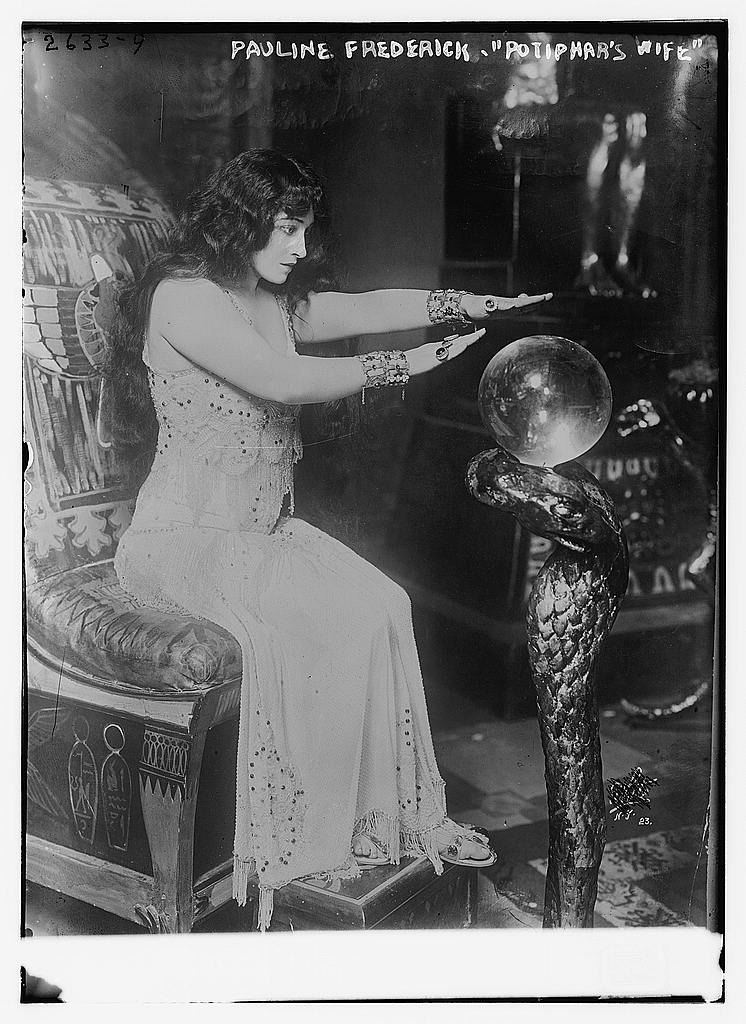
How you feel when you’re on a creative high.
In fact, I would go as far as to say that the electric burst of excited inspiration we’ve all grown to love is often detrimental to the creative process. Instead of getting to work, we wait around for that “creative high” we love so much.
This myth of creative inspiration, of getting it right the first time, of putting pen to paper and developing a masterpiece without utilizing a plan, making a mistake, or hitting a roadblock is not just mythical, it’s damaging. It sends one of two messages to aspiring writers:
- I can’t do this because I don’t have creative inspiration.
- I can do this because I have creative inspiration.
Neither of these messages are true. Both messages limit writers by encouraging the belief that when you just get your magical amazing burst of inspiration, all the pieces will fall into place.
Well, they won’t.
The truth is that a novel is a complicated beast. What seemed so awesome and brilliant during your creative high might actually not be right for this novel at all. Or it might be absolutely brilliant, but it only actually covers 2% of the plot, leaving you with a ton of hard work left on your plate.
Once you lose that creative momentum, you can’t just stop and wait for it to return. A writer might only experience one or two of these creative highs over the entire course of writing a novel, but the ones who succeed keep on banging out the words.
So what can you do?
The first step is to accept that your creativity is entirely within your control. No inspiration required. No magic. All you need to do is get your butt to your chair and your hands to the keyboard.
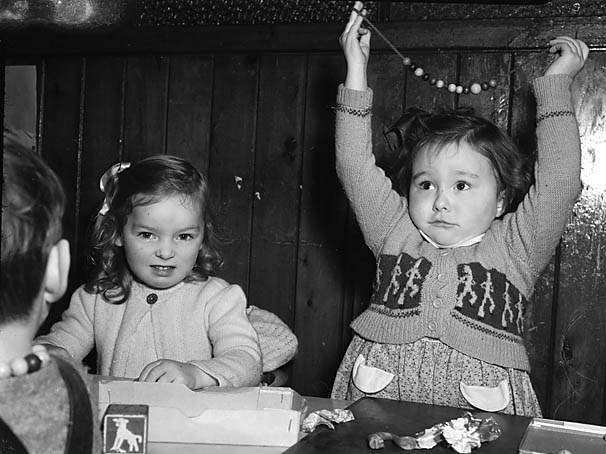
How you feel when you’re on a creative low.
Your creative skill is always inside you. It’s not just there during bursts of inspiration when you’re in love with your novel and know for certain it’s going to be an international bestseller with multi-million dollar movie rights. It’s there even when you’re in the bowels of writing hell and hate your novel more than you ever thought possible.
Don’t fall into the trap that you must “feel creative” to be creative.
You might feel like watching a movie tonight, or maybe you don’t. If you don’t, that doesn’t mean you can’t. It just means it’s not what you’re in the mood to do. If you wait around for the right mood to write, you’re going to be waiting a long time.
As Stephen King once said:
Amateurs sit and wait for inspiration, the rest of us just get up and go to work.
Don’t fear that if you aren’t feeling creative or inspired, you can’t do your best work. The truth is that inspired ideas are no more valid than ones born of logical and deliberate problem solving. Once tucked neatly into the novel, the reader will have no idea whether your idea was born of inspiration or of logic.
So how can you logic your way through creativity?
Homework
This is a technique I call the “Maybe Game.” It frees up your mind to explore options for your novel without the terror of commitment, without thinking too hard about how it fits into what you’ve already written (or plan to write), and most importantly without the need for creativity.
To play the game, all you need to do is clearly identify an area of your novel that you know is not working. This could be an area that needs more development, such as a character that needs a motivation, a supernatural event that needs an explanation, or superpowers that need rules for how they work.
This game also works when you’ve got a gap in your plot, meaning that you know the character needs to get from A to C, but you have no point B.
Once you’ve identified an area of your novel that needs development or a gap in your plot that needs filling, write it down in the form of a question:
What are the restrictions on Jamie’s super powers?
Why didn’t Alex know about his brother’s adoption?
How come Eliza can speak on stage in the first chapter but has stage fright in the third?
What happens between Amy finding the magic bear and Amy being captured by mummies?
Putting the question into words makes it tangible. It’s no longer a blob of creativity in the back of your mind, it’s a logic problem sitting before you begging to be solved.
Once you have the question down, start writing some “maybe” statements. I find that prefacing the statements with “maybe” frees you up to let your imagination run wild without fear of commitment.
Let’s look at the first question together: What are the restrictions on Jamie’s super powers?
The writer’s “maybe” statements might look something like this:
Maybe Jamie can only use his power when he’s holding the magic stone. Or maybe Jamie needs to fill up a reservoir before the power is available to him again and he fills it with good deeds. Or maybe he fills it with souls that he steals from animals. Or maybe he can use it whenever he wants, but it makes him a little bit sicker every time he does.
Let’s look at the last question as well: What happens between Amy finding the magic bear and Amy being captured by mummies?
The writer’s answers might look something like this:
Maybe when she finds the bear it triggers a trapdoor and the mummies burst out of the tomb. Or maybe facing the bear gives her the confidence she needs to wander into a secret chamber where the mummies are located.
Don’t worry about how good the ideas are, just write down all the ideas you have. You may very well find that you come to a conclusion within a couple sentences. A light bulb will go off in your head, and you’ll shout with glee, “Perfect!” But it’s possible that you will need to put all of the possibilities away and come back later to get more perspective on what fits best into the novel.
Keep going until you run out of possibilities or find an answer that you like. If you have more problems in your novel, rinse and repeat as needed.
Homework: Play the Maybe Game on at least one problem you’re having with your novel.
Writers are often looking for this authentic sense of creativity that comes naturally and without effort, but that’s not what writing is all about. If you wait around for inspiration, you will never get anywhere. So jump into the problems of your novel and face them head-on.
Discussion Question (please discuss in the comment section below):
What is the hardest part of your creative process?
This post is a part of Novel Boot Camp. If you don’t know what that is, click here.
 Ellen Brock
I would say the hardest part for me is that I’m too addicted to that creative rush. I can become enamoured with one creative concept for a while but then I get drawn away but some other flash idea I have that is totally unrelated (another potential story). Staying focused on one creative concept over a significant period of time is the hardest part for me.
For me the hardest part often comes after the creative phase. I ask myself questions about plot, character motive etc.. and often come up with answers that excite me. Over time the ideas become less appealing to me, often before they have fully developed.
So in a word: self-doubt.
For me the hardest part is dealing with a fear of failure. Sometimes I cannot even write a scene because I’m always thinking: ‘what if this is not good enough’? So I guess you could say that self-confidence (or the lack of it) often stands in my way.
What is the hardest part of your creative process? I will certainly try the “Maybe.” I usually ask myself, “What if.” I finally figured out today to write a scene reminding the reader of the MCs inner conflict. In order to keep my plot point timing and keep the tension increasing, I’m having to rework some scenes by either rewriting, moving, or deleting them altogether. I do this quite often, which takes forever, but helps the story flow much better.
The hardest part for me is overcoming writer’s block. It’s like you said, I get that amazing burst of inspiration and write like a crazy woman for days until I hit a wall. Then I stop. I try to think on it for a few days, but my tendency is to let it go and move on to something else or stop working on that piece altogether.
What I’m doing now is an exercize in writing every single day. Even if it sucks and I have to rewrite the whole thing the next day, at least I’m moving forward. I also keep a notes document, in which I write down every little idea or tidbit for a character or plot point. I found that things come to me in bits and pieces and, while sometimes I’m not sure how to get from point A to point B, when I write these ideas down, they end up making sense after a while and I just have to get them into some sort of linear order that makes sense.
I think it was Stephen King (apropos considering Ellen’s choice of quote) who said he writes 2,000 words per day, minimum. He doesn’t allow himself to stop until he’s written at least that much, no matter what. Seems to have worked out pretty well for him! Me, I’d settle for 500 per day a this point. Or 250!
I try not to set a specific number of words that I have to churn out every day, otherwise I’ll drive myself crazy. But I am trying to write something every day, even if it sucks and I rewrite everything the next day. At least I am practicing and moving forward, right?
The hardest part of the writing process for me comes after the creative bursts and the maybe’s (though I do really like the idea of ‘maybe’ instead of ‘this is it’). I’ve finished a detailed outline of my novel, but getting myself to sit down and just write without distraction feels more laborious by the day. Ideas I fell in love with and thought were so clever are suddenly difficult to put into words, I’m still in school, so age and attention span probably plays a role. I just need practice and patience, and novel boot camp is certainly helping me focus on getting the chapter down for the day.
The hardest part for me is getting started. I know how important the beginning of a novel is, but I am mostly still in my left brain when I start writing. I have the idea, the outline, character bios, but somehow it is difficult to switch to right brain and get writing. Until I do make that switch, I write, delete, write, delete…
One of the hardest parts for me is getting my characters from one idea or setting to another. I will have a few pivotal scenes that are very vivid in my mind, but don’t know what happens in between. I think this will be a great exercise for one transition in particular that I am struggling with. The other big challenge would be expressing those pivotal scenes in a way that reflects what I see in my mind. It is one thing to have an idea. Quite another to bring it alive with words.
The hardest part for me is that inspiration. I get it often but it isn’t helpful. The ideas that I get 99% of the time cannot be used in the novel I try to write. Then I end up writing down this plot bunny from another story and I never make progress on the novel. Or it turns out that after writing chapter 1 I get an idea for the end of the book and I write that. When this happens and I have a blank middle I don’t know what to write for that. Currently I have a beginning a middle and an end. What I don’t have is connections for the three.
I’m a mix of a pantser and outliner. What’s hard for me is finding the motivation to keep writing once I find out what happens in the end. Often I feel like the moment I fill all the gaps in my outline the story’s done, I’ve already told it to myself, and it was a blast. Finding the motivation to actually write the rest so others can read it is hard, but not always. My pantser-self often surprises me with twists that keep me motivated.