 If there’s one thing in a manuscript that can scream “amateur writer!” it’s a bad simile.
If you’ve forgotten what a simile is, it’s a comparison using “like” or “as.” For example: His beard was like cotton candy (see photo).
When done well, similes can paint vivid pictures in the minds of your readers. It can make them smile with pleasant memories, cringe in pain, or even gag in disgust. Similes can be a powerful little tool when done the right way in the right circumstances.
But when similes are bad, they’re really bad! Let’s look at some ways similes can go wrong.
The Simile is a Cliché
We already know that clichés aren’t a good idea in fiction. Rather than creating an interesting and compelling simile, clichés feel bland and lifeless. Often they feel pointless and disposable.
Here are some examples:
Searching for Bobby was like trying to find a needle in a haystack.
It was hot as hell in the attic.
Judy’s bad attitude was as plain as the nose on your face.
That damn cat was stubborn as a mule.
There’s nothing special about any of these sentences. They don’t really convey the point in a way that couldn’t have been achieved without a simile and they don’t excite the reader with a new and vivid way of interpreting what’s being described.
I’m not saying you can never ever use a cliche, but unless it’s truly the best simile for the job, try to come up with something with more of a punch.
The Compared Concepts aren’t Comparable
In order for a comparison to work, it has to make sense. This seems pretty obvious, but it’s not uncommon for aspiring writers to use similes that don’t work. Either the writer is comparing elements that aren’t comparable or they’re comparing elements that are comparable in such a vague way that the reader has to work too hard to understand the meaning.
For example:
She sliced through the cake like a gymnast doing a back handspring onto a practice mat.
The box was like a small suckling kitten.
The cog turned like a car on the highway traveling to work.
If the reader doesn’t understand how the two concepts are comparable or if they are not comparable in a way that is readily apparent, the simile will be distracting instead of vivid.
The Compared Concepts are Exactly the Same
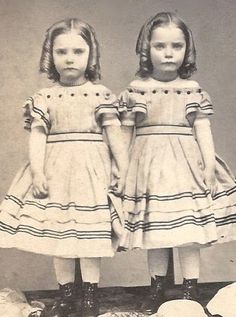
She was as beautiful as her twin.
Sometimes aspiring writers will create similes that compare two things that are almost exactly the same and are no more or less understood by the reader than the literal description.
For example:
He painted the house like a man painting a fence.
She danced like a guest dancing at a wedding.
The sun rose like a ball of light in the sky.
These similes don’t make the literal descriptions any clearer. The writer could have left them out for a simpler and cleaner approach.
The Simile Relies on Uncommon Knowledge or Experiences
Sometimes writers create similes that draw on knowledge that the average reader just doesn’t have. If the reader can’t relate to the simile then it is failing to do what similes are supposed to do, which is to make the description more familiar and more clearly understood.
For example:
Once the house was clean, Seth felt as if he had finished a very elaborate paper craft.
Cici did a happy dance as if she had just perfected a back walkover.
These similes require the reader to have specialized knowledge about a topic they are unlikely to be familiar with. This makes the simile ineffective.
The Similes are Clustered Together
When similes are clustered together, even when the similes aren’t bad similes, they can make the writing feel cluttered and scattered, especially when those similes focus on a variety of different subjects.
Here’s an example:
Maggie entered the door as if she were entering another world. Her mother stood at the stove, which was like a fat pig with burners on top. The soup bubbled and churned like the roaring ocean. Mary skipped over to her mother like a child on the first day of school.
Overusing similes is just as bad as writing similes that suck. Too many similes clustered together causes the reader to be pulled away from the moment.
How to Write a Simile that Doesn’t Suck
A great simile must enhance the description by making a person, object, action, or emotion more familiar to the reader.
Here’s how you can do it:
Use Your Voice
Create a simile that makes sense for the voice of the narrator or character. If the narrator is humorous, use humorous similes. If the narrator is eccentric, use similes with a flair for the odd. If your narrator has violent tendencies, perhaps he/she uses similes that involve knives, guns, bones, or other macabre imagery.
Be Creative (But Not Too Creative)
Try to come up with similes that could only have come from your narrator. If the simile sounds like it would work fine in any book or coming out of any character’s mouth, then it’s probably too bland. Shoot for something unique, but don’t move too far from common experiences and knowledge.
Try Again
Often the first idea for a simile is too obvious, feels cliché, or is just plain bland. Sometimes it takes two or three or ten tries to get a simile just right. If you limit yourself to writing it the right way the first time, you’re most likely going to struggle.
Use Them Sparingly!
If you find you have a simile on nearly every page of your novel, you’re probably writing too many similes. They are a tool, not a crutch.
Homework
Today’s homework has both a private and a public component.
Assignment 1: Look through a few similes used in the current draft of your novel. Apply what was learned In the post to enhance the similes to make them stronger. Remember to avoid cliches, to avoid clustering similes, and to stick to common knowledge while giving it a bit of individual flair.
Assignment 2: The Simile Game! Please play nicely in the comment section below.
 Write the worst simile you can imagine and post it in the comments. The next person to post must fix your simile in the style of their own novel (either the narrator or character’s voice). They must also post their awful simile for the next poster to correct. You may play as many times as you wish.
Have fun!
This post is a part of Novel Boot Camp. If you don’t know what that is, click here.
 Ellen Brock
I hit him in the jaw, my hand connected with his bone like a brick through a window.
“I sighed deeply, like a woman scorned.”
(good luck with that, it requires a complete re-write).
I sighed deeply, a woman scorned, because nothing under the sink would kill him.
I sighed deeply, like a man confronted by a woman scorned 😉
No?
I sighed deeply, like a hot air balloon deflating ?
“Scorned, I sighed deeply, like a woman.” 😛
“He ate the sandwich like a wolf.”
I hit him with the force of an infant Gnome.
He had the grip of an NBA player
He grabbed my ankle. His grip tightened like a giant chinese finger trap as I struggled to pull away.
“His face beamed orange like the moon on cold November noontimes in northern Alaska.”
His face beamed orange like fake tan on a baboon’s backside.
His face beamed orange, like a baby had tossed it and kept the cornet.
“He consumed the sandwich like a garbage disposal.”
“He looked into her eyes like a dog exploring its vomit.”
Hahaha. That one’s too good to touch. 🙂
The vomit one is extremely effective, there would be no way back from that one, so I don’t think it could be used it if he and she were ever going to make up. Anyone disagree?
Oops…let me revise that NBA simile…”The homeless man had the grip of a player in the NBA with hemroids.”
“He consumed the sandwich like a convict protecting his tray in the canteen.”
“He was as tall as the Sears tower.”
With his exceptional height, he dominated the others like the Sears Tower dominated the Chicago skyline.
His calves cramped like a drunken football fan’s fist clutching the last chicken wing in the basket.
His face beamed like a full moon in a cloudless sky.
She was as happy as a clam.
She was as happy as a Christmas puppy
She was as happy as the sparkle in his dilated eyes
Can anyone help with this one? “He tried to relax the muscles in his abdomen which were like knotted ropes.”
His grip tightened like a heart pumping out its last desperate beat.
They dropped their stares like candy wrappers.
They dropped their stares like my wife drops au pairs.
They looked down as if they were dog’s being scolded. (Don’t know if that works)
The water was crystal clear.
I think it works, the way dog’s look down when scolded is certainly familiar and vivid image, how about “they looked down like dogs scolded”?